Cold Chain, Held
320-tonne cold storage facility engineered for consistent -18°C holding in Oyo State.
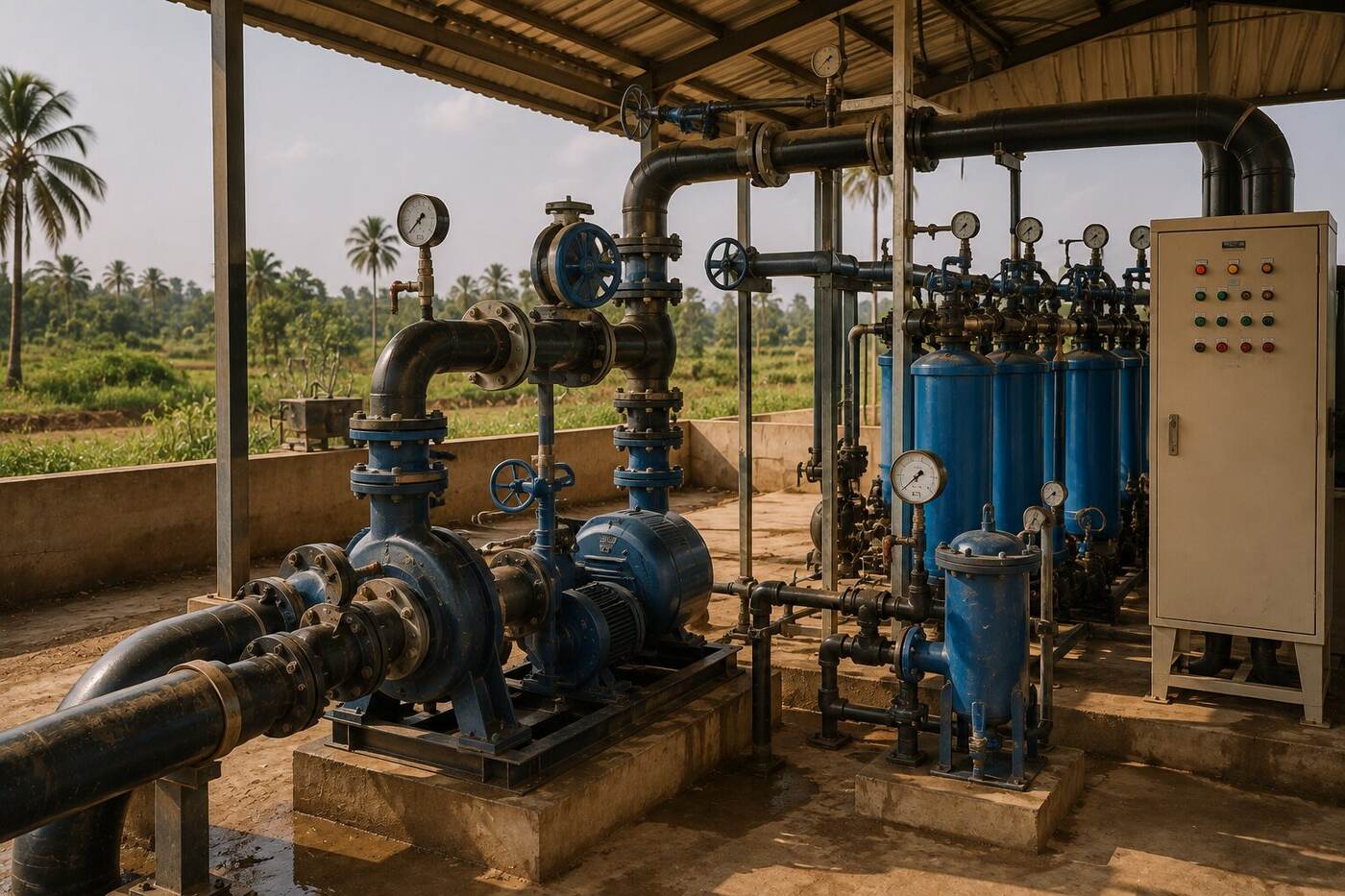
A perishable-goods distributor was losing an estimated 12% of stock to temperature excursions in a cold room that couldn't hold -18°C consistently once grid power became unreliable — the backup generator kept the compressors running, but not through the automatic restart cycle after every outage.
Flat commercial plot adjacent to a produce market, with road access for regular refrigerated truck loading.
High ambient heat load year-round, which raises both the refrigeration duty cycle and the compressor's condensing pressure.
A single ageing compressor rack with no redundancy and a manual restart sequence after every power event.
The facility needed to stay operational throughout the retrofit — no full shutdown was possible with stock already in storage.
Hold -18°C reliably through grid outages, with automatic — not manual — recovery, and enough standing capacity to add a second cold room later.
Daniel specified a dual-compressor rack in a lead-lag configuration, so either compressor alone can hold temperature while the other is serviced or restarting. An automatic sequencing controller replaced the manual restart procedure, and the generator's transfer switch was rewired to prioritise the refrigeration load above all other site circuits.
Specification.
| Storage capacity | 320 tonnes |
| Holding temperature | -18°C ±1°C |
| Compressors | 2 × semi-hermetic, lead-lag configuration |
| Insulation | 150 mm PIR panel, cold-room rated |
| Controller | Automatic sequencing + remote alarm |
| Backup priority | Refrigeration load, first on generator transfer |
On site.
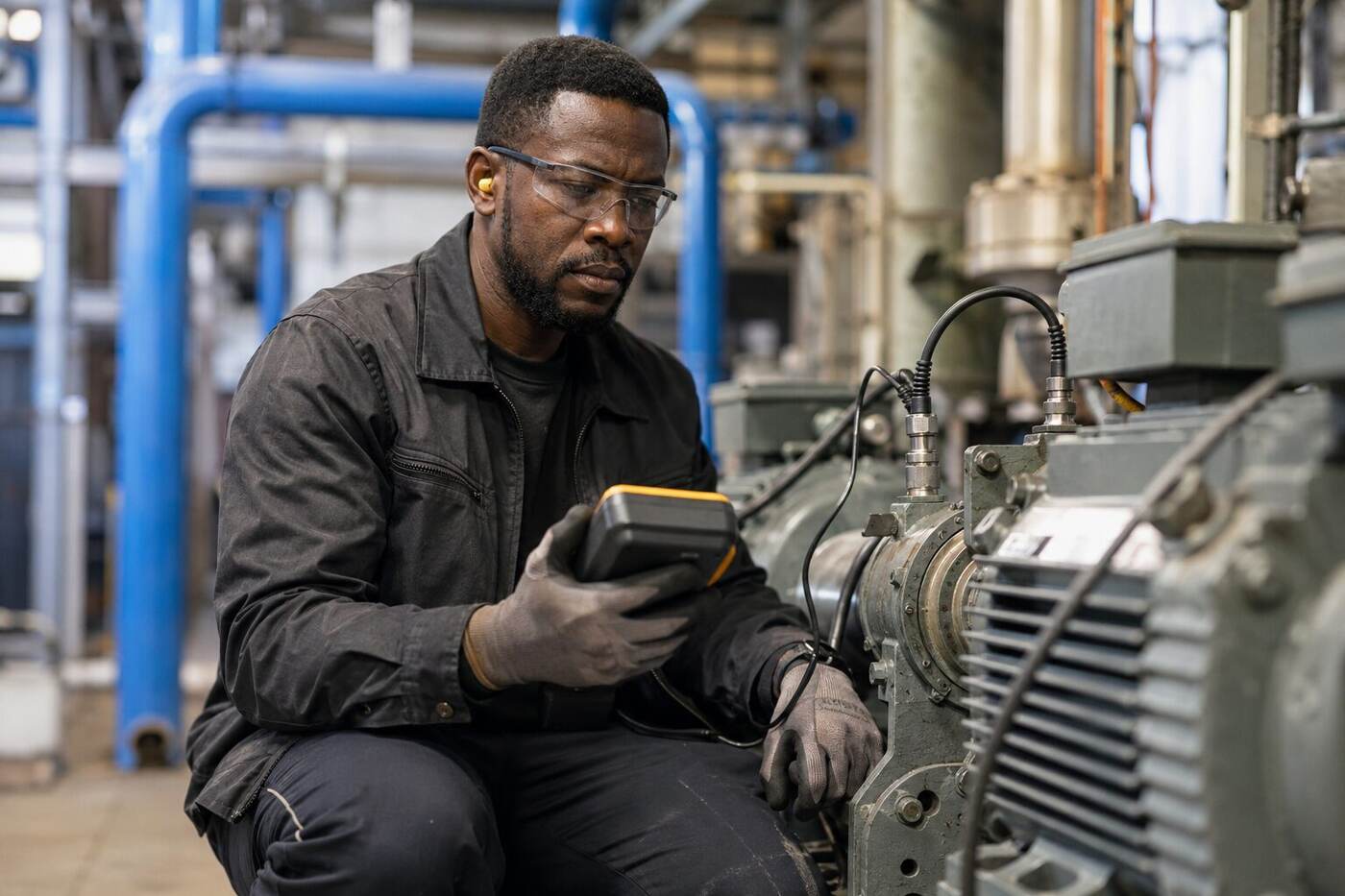
The lead-lag controller's default handover logic assumed both compressors were always available, but the facility needed to keep running with only one compressor during the retrofit itself. Daniel reprogrammed the sequencing logic to operate safely in single-compressor mode from day one of installation, rather than waiting for full commissioning to enable temperature control.
Measured outcomes.
Redundancy that requires a person to notice a failure and intervene manually isn't redundancy — it's a slower single point of failure.