I build things.
Twelve years of turning engineering requirements into systems that survive dust, heat, water, electricity, people and budgets.
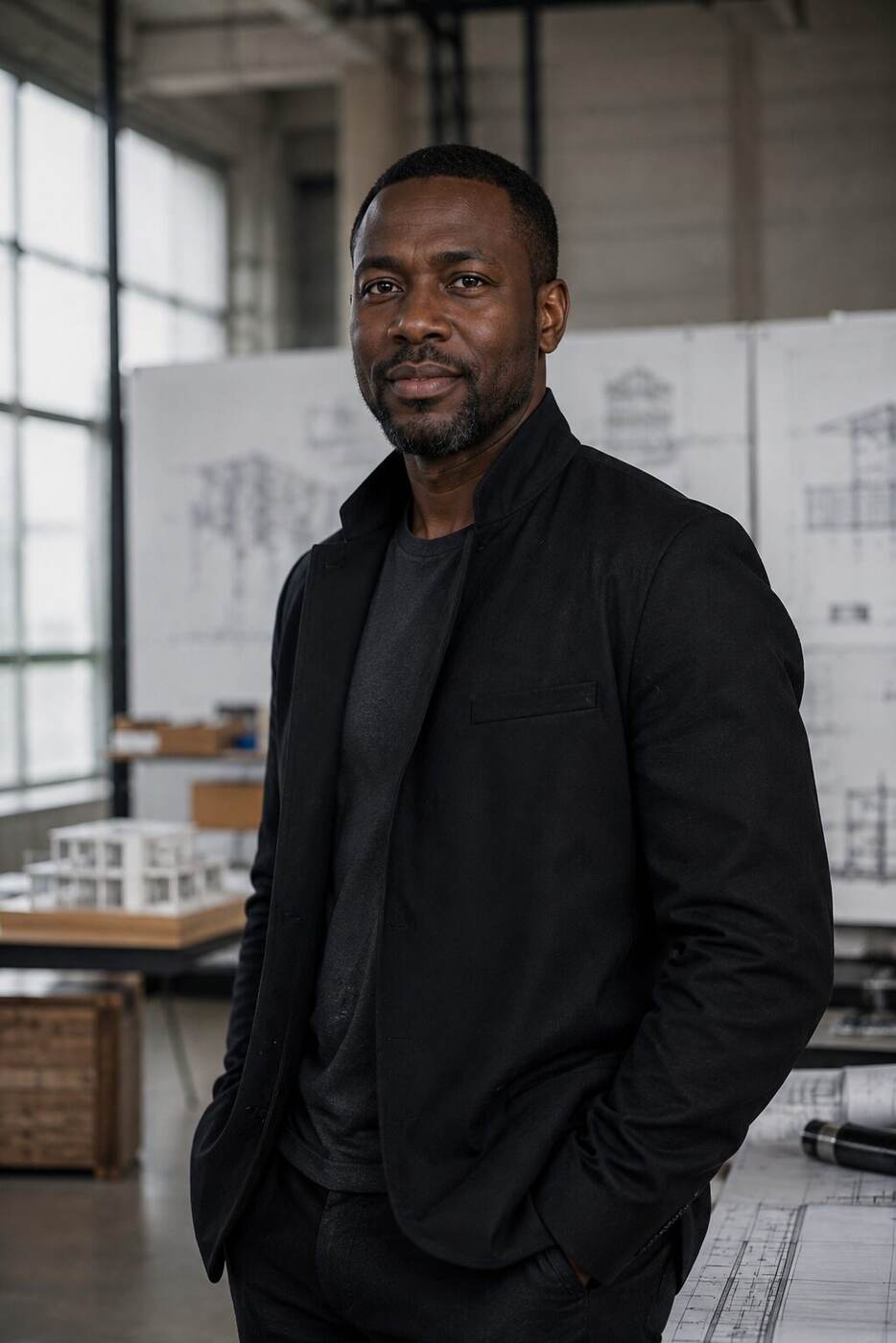
Daniel grew up in Lagos taking apart the household generator to understand why it kept failing during the rains — long before he understood what an engineer actually did for a living.
He studied Mechanical Engineering at the University of Lagos, graduating in 2014 into an economy where reliable power, water and process infrastructure could not be assumed. That gap became the shape of his career: not designing systems for ideal conditions, but for the conditions that actually exist across Nigerian sites — inconsistent grid supply, variable water pressure, dust, heat, and teams who need to keep a system running long after the engineer has left.
Twelve years and 27 major projects later, his work spans energy, agriculture, automation and structural systems — disciplines that on paper look separate, but on site are almost always solving the same problem from different angles.
Every system is a negotiation between what the drawing says and what the site allows.
Daniel treats a technical drawing as a hypothesis, not a conclusion. Soil conditions shift, grid supply underperforms its spec sheet, budgets change mid-project — and the engineering has to hold up anyway. He spends time on site specifically to catch the differences between the drawing and the ground before they become expensive.
He is skeptical of designs that only work in perfect conditions, and more skeptical of engineers who never visit the site their drawings describe.
Time on site
Before a system is designed, Daniel walks the site — measuring, photographing, and talking to the people who will operate it.
Design for maintenance
A system that only works when Daniel is present has failed. Every design accounts for the skill level and tools actually available on site.
Document everything
Drawings, specifications and commissioning checklists are handed over in full — not held back as leverage for future work.
Return after commissioning
Daniel revisits completed systems months later to see how they're actually performing, not just how they tested on handover day.
Reliability over spectacle.
A system that runs quietly for ten years is a better outcome than a system that impresses for one. Daniel is drawn to infrastructure work — energy, water, food production — because it fails loudly when it's wrong and disappears into the background when it's right.
Away from the site.
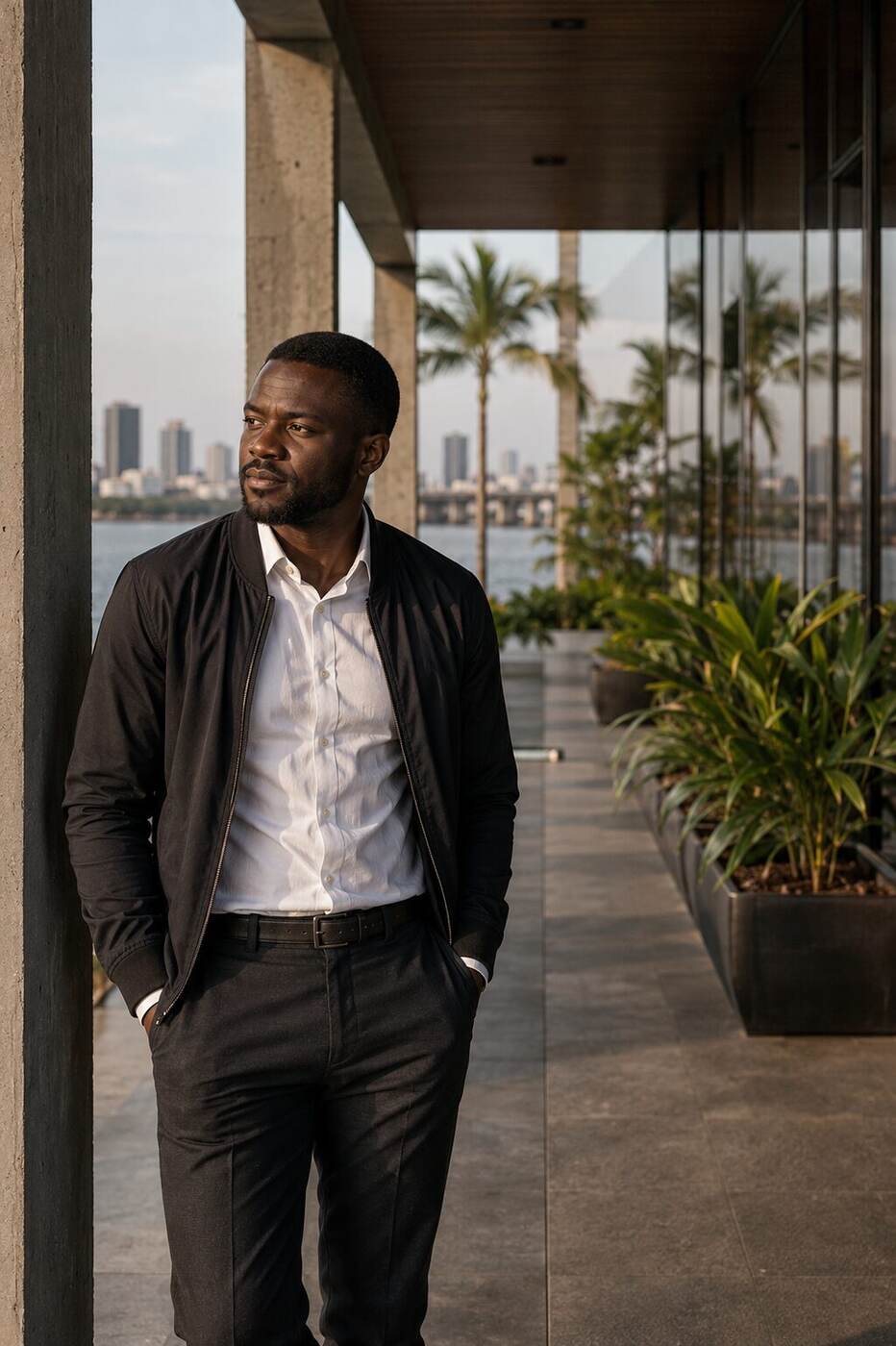
Cycling
Long weekend rides along the Lekki–Epe corridor, mostly to think without a phone in hand.
Photography
Field photography started as documentation and became a habit — mostly industrial textures and site conditions.
Books
A steady rotation of engineering history and biographies of people who built infrastructure under difficult constraints.
Agricultural technology
Following the smallholder irrigation and solar sectors closely — where a lot of his most interesting problems come from.
Architecture
An interest in Lagos's industrial and mid-century buildings, and what their structural choices reveal about their era.
Mechanical design
Restoring old pumps and motors on weekends — partly relaxation, mostly curiosity about how things were built before software.