The Factory That Watches Itself
Industrial process monitoring and automation system across three production lines.
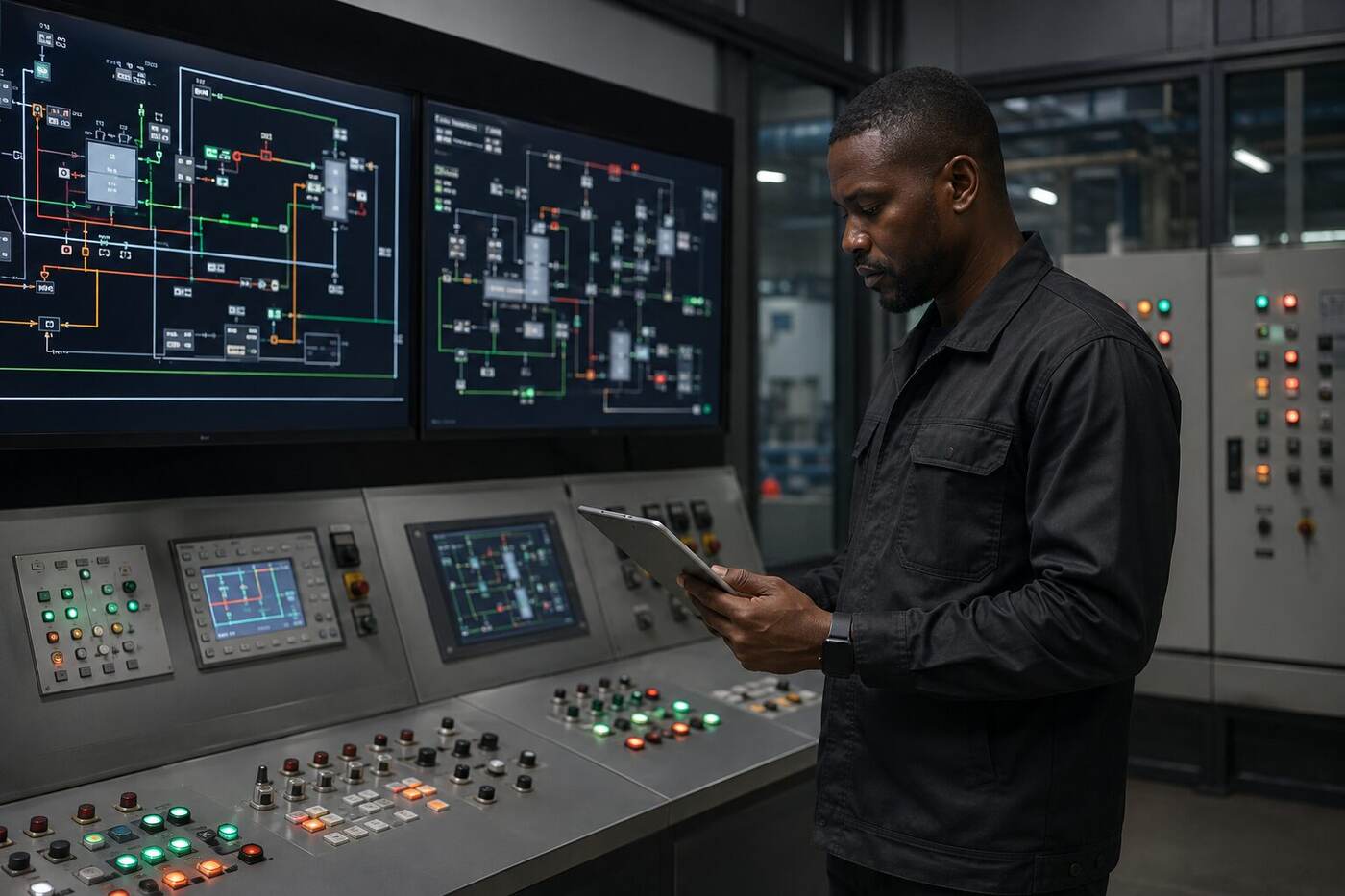
Unplanned downtime across three production lines was running at roughly 46 hours a month, most of it traced back to failures that operators only discovered once output had already dropped — a worn bearing, a slipping belt, a pump running dry — with no early warning at any stage.
Enclosed factory floor across three parallel process lines, with an existing but disconnected control room.
Indoor, but exposed to dust and heat from adjacent thermal processes — a factor in sensor and enclosure selection.
Legacy relay-based controls on two of three lines, with no centralized data logging or alarming.
Lines could only be taken offline for automation retrofitting during scheduled weekend maintenance windows.
Give operators visibility into equipment condition before it fails, and centralize control of all three lines into a single monitoring point.
Daniel instrumented the highest-failure-risk equipment first — pumps, motors and valves with a history of unplanned failure — then built outward to full-line PLC control. Thresholds were set from six weeks of baseline sensor data rather than manufacturer defaults, so alarms reflect how the equipment actually behaves on this site.
A visual front end for the real HMI.
This is a frontend simulation of the control interface operators use on the factory floor — toggle a component to see its state change.
This panel is a visual simulation for demonstration — it does not control real equipment.
Specification.
| Sensors deployed | 34 across three lines |
| PLCs | 6, one per critical sub-process |
| HMI | Central touchscreen + remote tablet access |
| Alarming | Threshold + rate-of-change alarms |
| Data retention | Rolling 18-month historian |
| Network | Isolated industrial Ethernet ring |
On site.
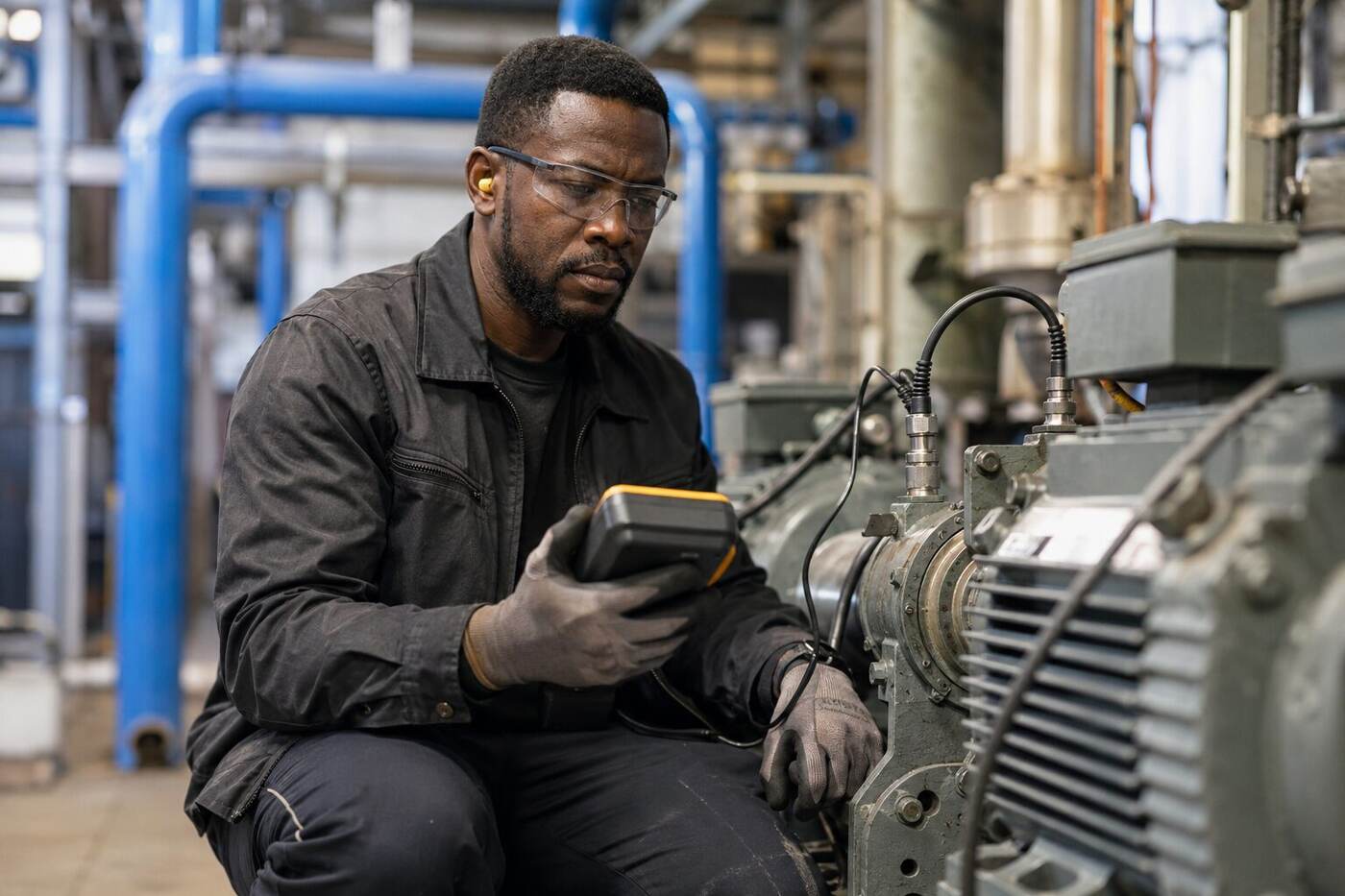
Early alarm thresholds — copied from manufacturer defaults — triggered false alarms almost hourly on Line 02, where ambient heat from an adjacent process pushed baseline temperatures above the generic threshold even under normal operation. Thresholds were rebuilt from six weeks of this line's own sensor data, which cut false alarms by more than 90% without missing a genuine fault in the following quarter.
Measured outcomes.
An alarm that fires too often gets ignored just as fast as one that never fires — the threshold has to be earned from the equipment's own data, not borrowed from a datasheet.