SUNGRID 48
48 kWp hybrid solar power system for a production facility in Ogun State.
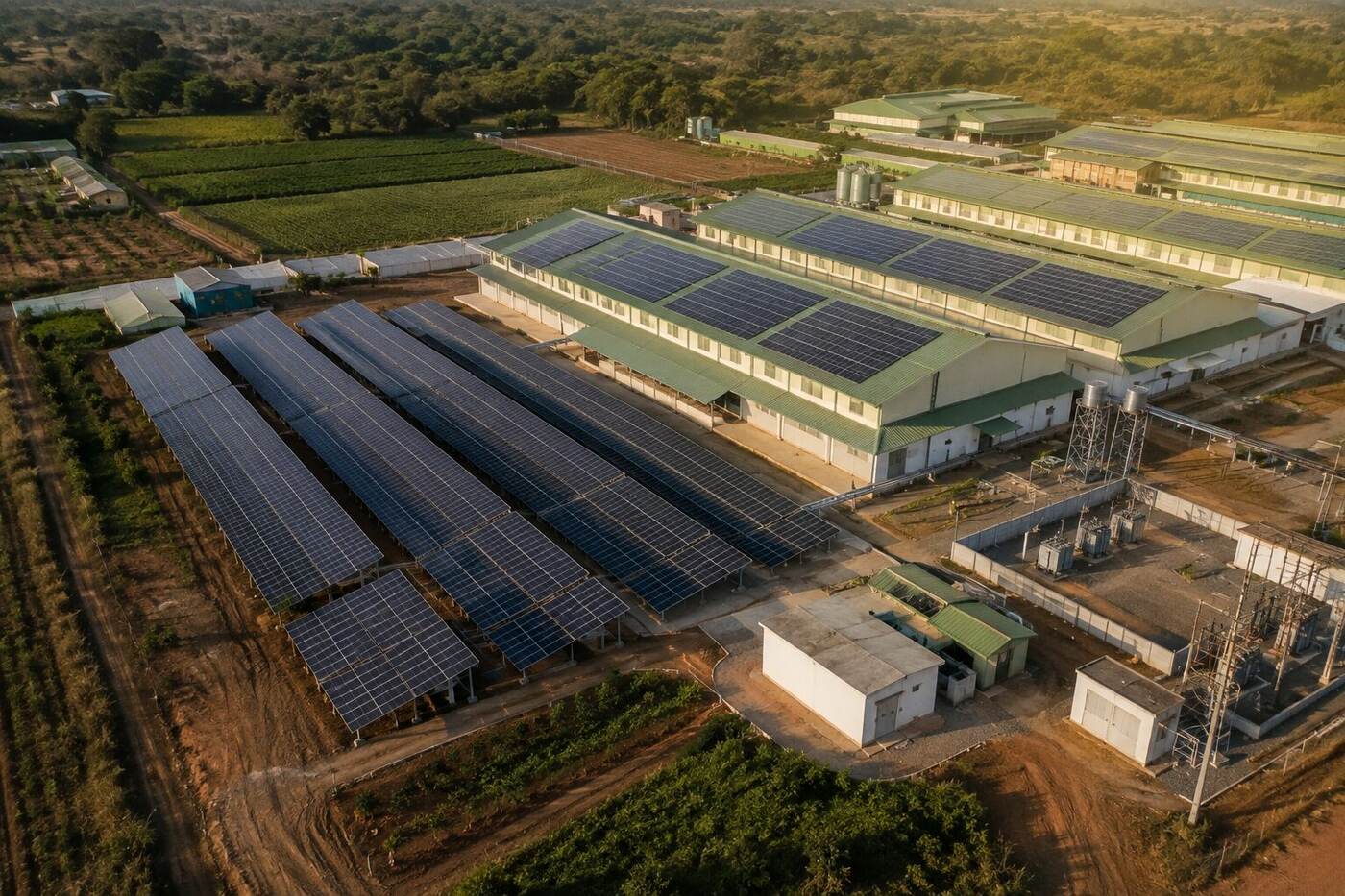
A production facility was experiencing unreliable grid power and rising diesel costs. Outages during working hours were forcing the plant onto diesel generators for up to eight hours a day, and the fuel bill had become one of the facility's largest recurring operating costs.
Flat industrial plot with a large uninterrupted roof span and adjacent open ground for a secondary ground-mount array.
High solar irradiance year-round, with a pronounced harmattan dust season requiring a realistic soiling allowance in the yield model.
Ageing diesel generator bank and a grid connection with frequent voltage sag, but no existing power electronics to build on.
Zero production downtime permitted during installation, and a fixed capital budget that ruled out full battery autonomy.
Reduce diesel dependency and grid exposure without compromising production uptime, using a system the facility's own maintenance team could operate day to day.
Rather than sizing for full off-grid autonomy — which the budget didn't support — Daniel modelled the facility's actual load curve hour by hour and sized the array, inverter and battery to cover the highest-cost, highest-outage-risk hours, with the grid retained as a managed fallback rather than the primary source.
Array & roof layout.
How power moves through SUNGRID 48.
Tap or hover each component for its specification.
132 × 550 W monocrystalline modules
Fixed-tilt aluminium rail array covering 1,860 m² of roof and ground mount.
Specification.
| Solar modules | 550 W monocrystalline, 132 units |
| Inverter | 40 kW hybrid |
| Battery | 96 kWh lithium (LFP) |
| Mounting | Aluminium rail, fixed-tilt |
| Monitoring | Remote EMS |
| Panel footprint | 1,860 m² |
| Inverter efficiency | 97.6% |
On site.


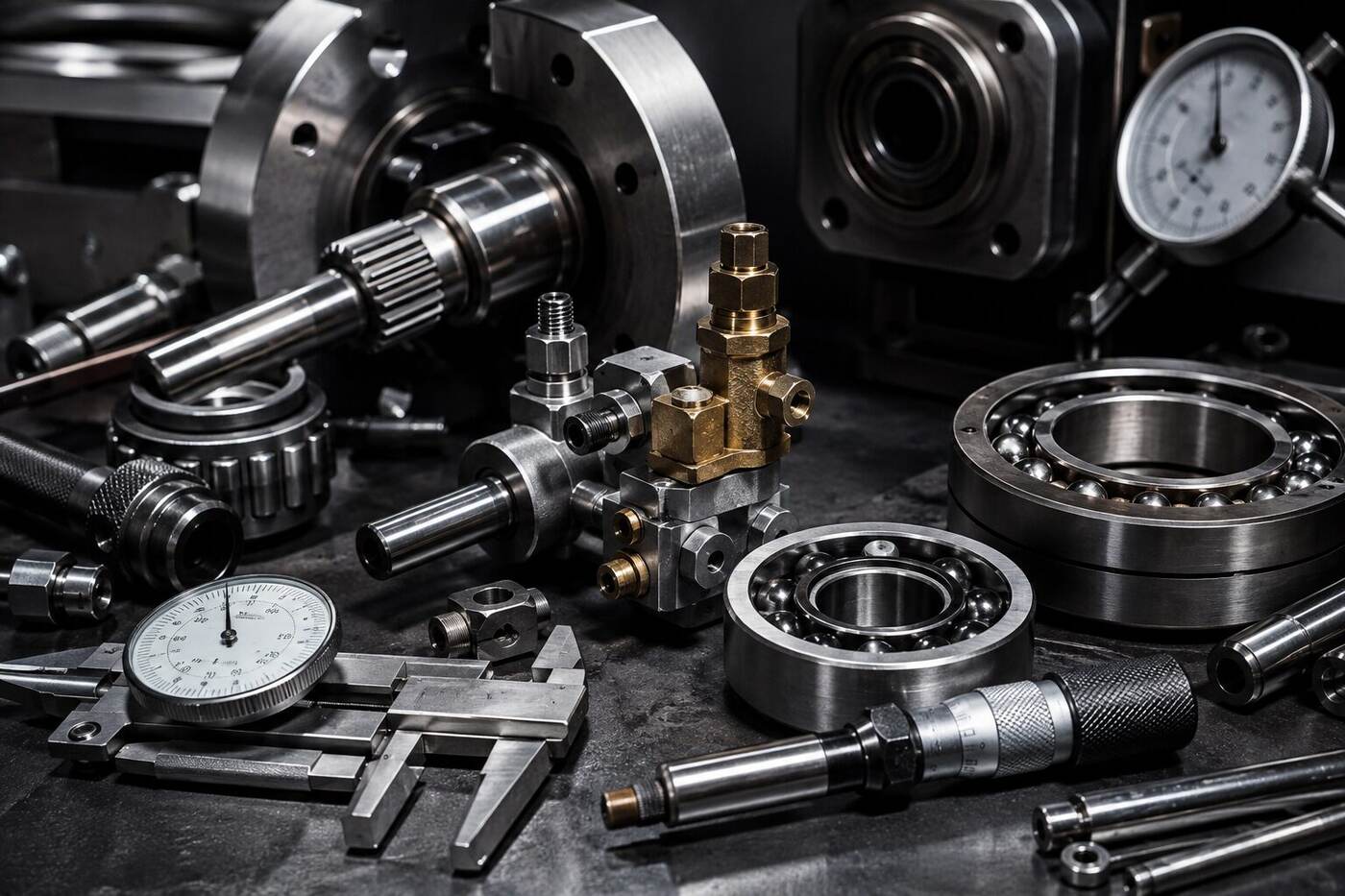
The original inverter room location — chosen for cable-run efficiency — sat directly beneath a roof valley that pooled water in heavy rain. Ambient humidity readings during a storm made the space unsuitable for the battery bank. The room was relocated eight metres north and the DC run lengthened accordingly, with an additional string-level surge protector added to compensate for the longer run.
Measured outcomes.
Sizing for the load curve, not the roof space, is what actually controls the return on a hybrid system — the array size gets the attention, but the inverter and battery sizing decide whether the numbers work.